
RIchard Piatt
Director of Public Affairs
[email protected]
1.801.560.7608
Welcome to the Utah Department of Corrections Newsroom. This is your direct source for the latest press releases, blog posts, and official agency updates.
March 3, 2020
Religious Services
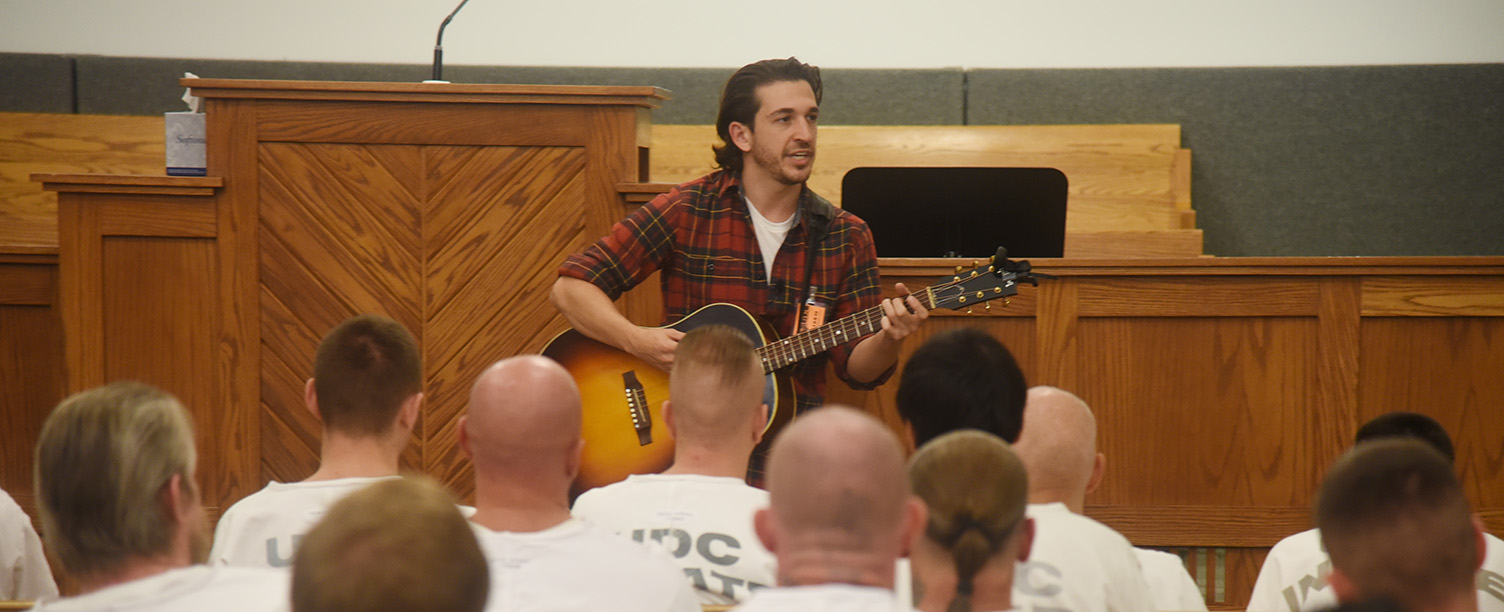
There are more than two dozen religious practices represented among Utah’s prison population. To meet the spiritual needs of inmates, Corrections works with volunteers who oversee activities, programs and religious services. The Department employs part-time chaplains to provide ecclesiastical counseling and non-denominational services. Arrange a marriage ceremony Marriages are run through our Religious/Volunteer Services Office. Offenders are required to send a
March 3, 2020
Reading for the Blind
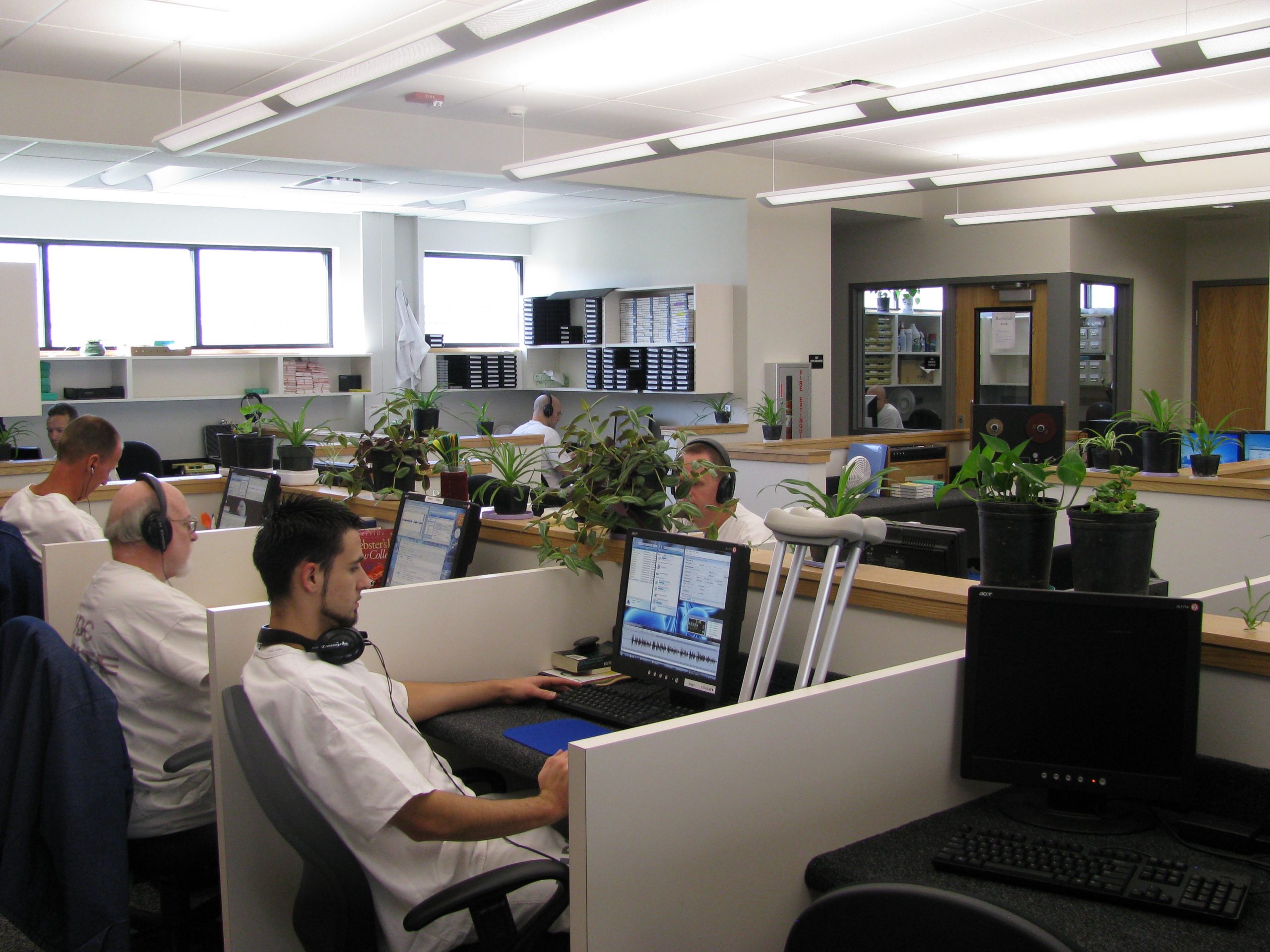
This program, launched in 1988, employs offenders at a modest wage to make audio recordings of books for the visually impaired. Reading for the Blind is part of a broader organization — the Program for the Blind and Physically Handicapped of the Utah State Library Division, which serves patrons both locally and nationally. The program is housed in a donated facility
March 3, 2020
Life Skills
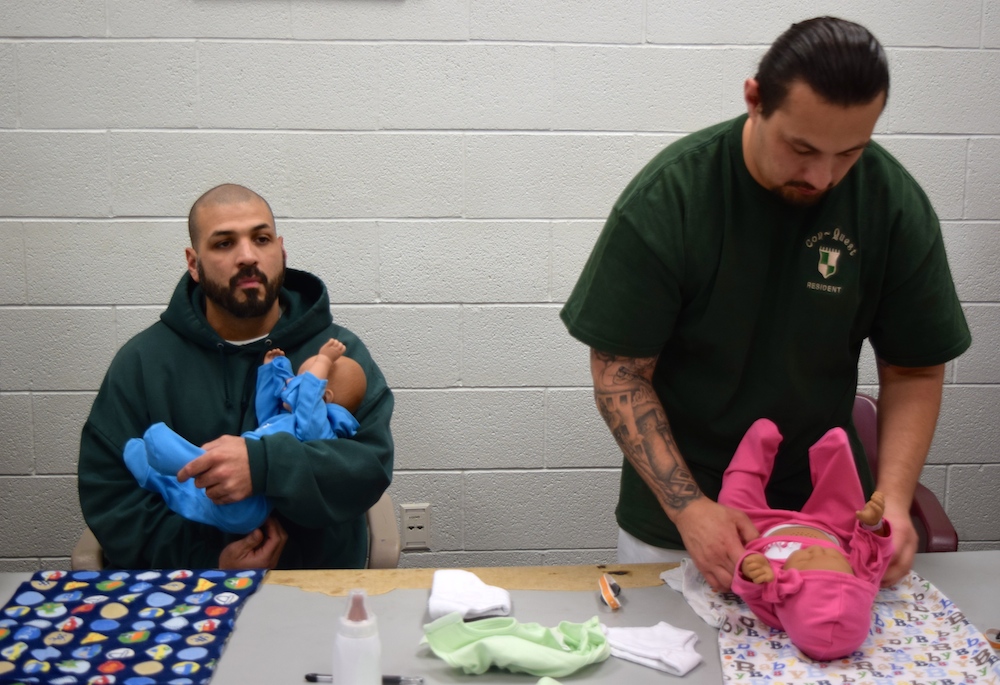
In addition to formal education, there are other tools offenders often need in order to change their lifestyles and adopt an outlook more conducive to long-term success. Life skills courses include Thinking for a Change, Communication, Computer Literacy, Relationships, Relapse Prevention, Career Power, Financial Literacy, Anger Management, Parenting, Impact of Crime on Victims, Domestic Violence, Victim Empathy, and Thinking Errors.
March 3, 2020
Education
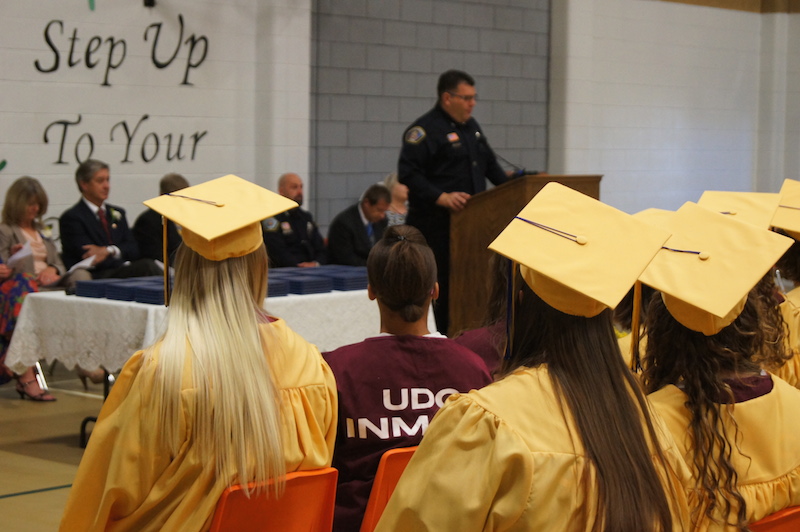
Most offenders who are sent to prison have less than a high-school education. The Utah Department of Corrections offers high school education through partnerships with local school districts. The Canyons School District operates the South Park Academy at the Utah State Prison, while the South Sanpete School District operates the Central Academy at the Central Utah Correctional Facility. The Department offers vocational

March 3, 2020
Case Action Planning (CAP)
While in Receiving and Orientation, inmates are monitored and take various assessments to determine their specific needs. That information is used to develop a Case Action Plan that outlines the inmate’s educational, program and treatment needs and to set goals for the inmate during his or her incarceration. Progress and accomplishments are noted in the inmate’s file, which is reviewed